

Managing commercial lease renewals is an important responsibility for real estate teams, particularly for businesses operating across multiple locations. Each lease has its own expiration date, renewal conditions, notice requirements, and financial obligations. Without a clear process, these differences can create unnecessary pressure when important deadlines approach.
Lease renewals also affect long-term business planning. A company may want to remain in a profitable location, relocate an underperforming store, or negotiate more favorable terms before committing to another lease period. Making these decisions requires accurate information and enough time to evaluate the available options.
Effective lease renewal management helps real estate teams stay organized, protect contractual rights, and make better decisions about their commercial properties. By improving how lease information is tracked and reviewed, businesses can approach renewals with greater confidence instead of reacting to approaching expiration dates.
Understand the Terms of Every Lease
The first step in improving lease renewal planning is understanding the conditions outlined in each commercial lease agreement.
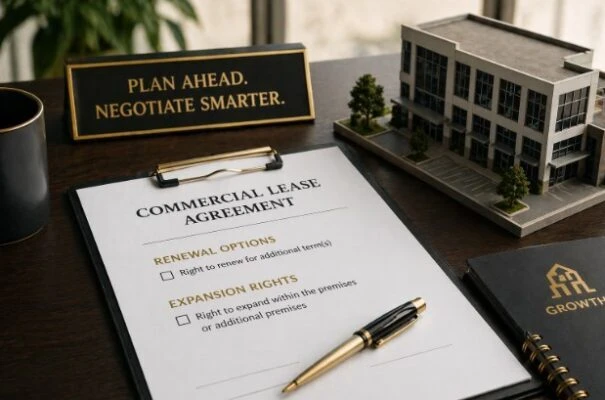
Renewal provisions can vary significantly between properties. Some leases include a fixed renewal option with predetermined rental terms, while others require the tenant and landlord to negotiate a new agreement. Certain contracts also include automatic renewal provisions or conditions that must be satisfied before an option can be exercised.
Real estate teams should review the renewal language carefully and record the important details, including notice periods, available extension terms, rent adjustments, and any specific requirements for exercising an option.
For example, a retail company may have a lease that expires in December but requires written renewal notice six months earlier. If the team focuses only on the expiration date, it could miss the opportunity to exercise its contractual option.
Maintaining accurate records of these requirements gives teams a stronger foundation for managing future renewals.
Track Renewal Deadlines Before They Become Urgent
One of the biggest challenges in lease renewal management is keeping track of multiple deadlines across different locations.
A company with 40 commercial properties may have renewal dates spread throughout the year. Some agreements require notice several months before expiration, while others provide shorter decision periods. Without a centralized tracking process, important dates can easily become difficult to monitor.
Effective critical date management helps real estate teams organize lease expirations, renewal notice windows, termination rights, and other contractual milestones in one place. This makes it easier to identify which properties require attention and plan the necessary actions in advance.
Teams should also establish internal reminders well before contractual notice deadlines. For instance, beginning the review process nine to twelve months before a major lease expiration may provide additional time for financial analysis, market research, and negotiations.
The appropriate lead time depends on the lease, the business, and the local property market. What matters most is creating enough room to evaluate the options before a binding deadline passes.
Review Location Performance Before Renewing
Not every commercial lease should be renewed simply because the business has occupied the location for several years.
Before making a renewal decision, real estate teams should evaluate how each property contributes to the company's operations and financial performance.
For retail and restaurant businesses, this may involve reviewing sales performance, customer activity, occupancy costs, and the location's long-term potential. Office-based businesses may focus more on employee requirements, space utilization, commuting patterns, and operational flexibility.
A profitable location with consistent customer demand may justify a longer lease extension. In contrast, an underperforming property with increasing rent could create an opportunity to negotiate better terms or consider relocation.
Real estate teams should also review whether the existing space still meets the company's needs. Changes in staffing, inventory requirements, or service delivery may make a different layout or property size more suitable.
By connecting renewal decisions with business performance, companies can avoid committing to locations that no longer support their broader goals.
Start Landlord Negotiations Early
Early communication with landlords can create more opportunities to negotiate suitable renewal terms.
Waiting until the final weeks before a notice deadline may limit the tenant's available options. The landlord may have less flexibility, and the business may not have enough time to investigate alternative locations.
A structured approach to lease renewal negotiations allows real estate teams to review current market conditions, compare rental rates, and assess potential concessions before beginning discussions.
For example, a business occupying several locations in the same region may discover that comparable properties offer lower rental rates or more favorable lease terms. This information can support negotiations over future increases, renewal duration, or tenant improvement allowances.
Tenants may also consider requesting more flexible renewal options, adjustments to maintenance obligations, or improvements to the premises.
However, negotiation discussions should not be confused with formally exercising a renewal option. Where the lease requires written notice in a specific form or delivery method, the team must comply with those conditions even if conversations with the landlord are already underway.
Improve Coordination Between Real Estate and Finance Teams
Lease renewals often involve decisions that extend beyond the real estate department.
Finance teams need to understand how proposed rental increases affect future expenses and budgets. Operations teams may need to evaluate whether the location still supports daily business activities. Legal teams may review renewal provisions, amendments, and contractual risks.
Without consistent communication, departments can work from different information or discover important changes after decisions have already been made.
For example, a real estate manager may negotiate a five-year extension without realizing that finance has planned for a shorter commitment. Aligning these decisions earlier can help avoid budget conflicts and unnecessary delays.
A practical renewal process should identify who is responsible for reviewing lease terms, preparing financial comparisons, negotiating with landlords, and approving the final agreement.
Keeping these responsibilities clear allows teams to make decisions more efficiently while ensuring that contractual obligations receive appropriate attention.
Keep Lease Records Updated After Every Renewal
Renewal planning does not end when a new agreement is signed.
Once the landlord and tenant finalize an extension, the updated terms should be reflected in the company's lease records. This includes the revised expiration date, rental schedule, renewal options, and any changes to responsibilities or payment obligations.
If the new information is not recorded correctly, employees may continue using outdated dates or rental amounts.
For example, a restaurant may negotiate an extension that delays the next rent increase. If the finance team continues following the original schedule, the company could process an incorrect payment.
The executed amendment should also be stored with the original lease so future reviewers can understand which terms remain effective.
For companies managing multiple properties, maintaining consistent lease information across departments is particularly important. Accurate records improve financial planning, reduce administrative confusion, and support future renewal decisions.
Establish a Consistent Lease Renewal Review Process
A reliable renewal strategy should follow a repeatable process rather than depend on individual employees remembering important tasks.
Real estate teams can begin by reviewing their lease portfolio regularly and identifying agreements approaching their renewal windows. Properties should then be prioritized based on deadlines, financial significance, operational importance, and potential risks.
Each renewal should move through a defined sequence: contract review, location assessment, financial analysis, negotiation, internal approval, formal notice where required, and documentation of the completed agreement.
Regular portfolio meetings can help teams monitor progress and address delays before they affect contractual rights.
For larger businesses, quarterly reviews may provide a useful overview of upcoming renewals, while properties approaching critical deadlines may require more frequent attention.
The goal is to make renewal planning part of routine real estate management rather than an activity that begins only when an expiration notice arrives.
Make Lease Renewals Part of Long-Term Business Planning
Commercial leases represent significant financial and operational commitments. Renewing a location affects more than the next rental payment; it can influence a company's flexibility, growth plans, and property costs for several years.
Real estate teams should therefore consider future business requirements when evaluating renewal opportunities.
A growing company may need additional space or greater flexibility to relocate. A business focused on controlling expenses may prioritize predictable rent increases and manageable occupancy costs. Others may benefit from shorter commitments while they evaluate changing customer demand.
These priorities should influence decisions about renewal duration, negotiated options, and the terms the business is willing to accept.
Effective lease renewal management combines accurate contract information with financial analysis, clear responsibilities, and proactive communication. When real estate teams follow a consistent process, they can reduce missed deadlines, approach negotiations with better information, and make property decisions that support the company's long-term objectives.